Martial Arts Classes for Beginners: A Step-by-Step Guide
Table of Contents
- What to Expect at Your First Martial Arts Class
- Best Martial Arts for Beginners: Finding Your Fit
- How Often Should Beginners Train Martial Arts
- Martial Arts for Adults with No Experience
- How to Choose a Beginner-Friendly Martial Arts Class
- Common Beginner Mistakes to Avoid
- Getting Started: Your Action Plan
- Frequently Asked Questions
Last Updated: October 11, 2026
What to Expect at Your First Martial Arts Class
Walking into a martial arts class for the first time can feel intimidating. You might worry about falling behind or looking out of place. The reality is quite different.
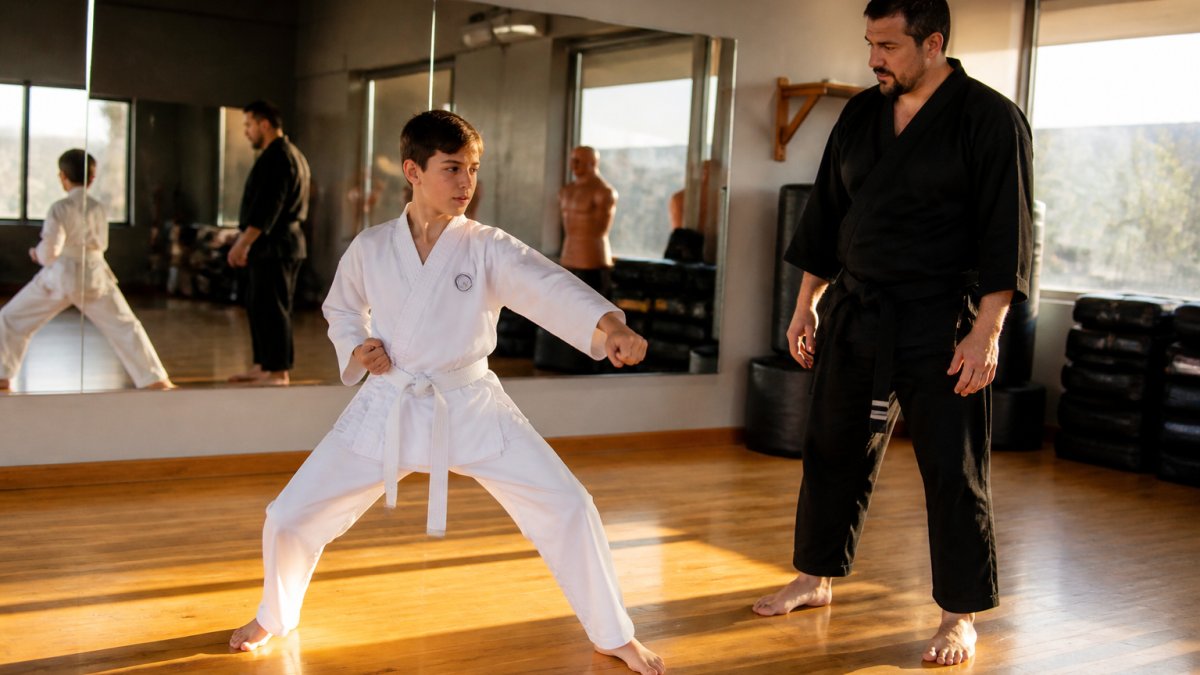
Your first class typically starts with a warm-up. You'll stretch, jog in place, or do light movements to prepare your body. Then the instructor teaches a basic technique or form.
The instructor will watch and offer corrections. This feedback is normal and helpful, not criticism. Most classes end with cool-down stretches and breathing exercises. You'll finish feeling energized, not exhausted.
Great Way Martial Arts classes in Kelowna follow this structure because it works. New students build confidence quickly when they know what's coming. The supportive environment means nobody judges your progress.
Best Martial Arts for Beginners: Finding Your Fit
Choosing the right style matters more than you might think. Different martial arts teach different skills and require different body types. Some focus on striking. Others emphasize grappling or forms. Your learning style and goals should guide your choice.
The best martial arts for beginners share common traits. They teach fundamental techniques first. They don't require previous experience. They emphasize discipline and respect alongside physical skills. They scale with your progress, so you can advance at your own pace.
Kung Fu for All Ages
Kung Fu is one of the oldest martial arts systems. It combines striking, kicking, and defensive moves into flowing sequences called forms. Forms teach coordination, balance, and focus. They're like a physical puzzle your body learns to solve.
Kung Fu works well for beginners because forms progress gradually. You start with simple movements. Each week, you add new techniques. Your body remembers the sequence, and muscle memory builds naturally.
The physical benefits come quickly. You'll develop better posture, stronger legs, and improved flexibility within weeks. Many students notice they stand taller and feel more confident in daily life. Kung Fu also teaches mental discipline.
Great Way Martial Arts offers Kung Fu Cubs for ages 4-5 and Dragons for ages 6-7, designed specifically for young learners. Champions Kung Fu serves ages 8-11 with age-appropriate instruction.
Wing Chun: Practical Self-Defense
Wing Chun is a Chinese martial art focused on efficient, direct self-defense. It uses straight-line movements and close-range techniques. Unlike flashy kicks and spinning moves, Wing Chun teaches practical responses to real threats.
The system emphasizes economy of motion. You learn to defend and counter-attack simultaneously. This makes Wing Chun ideal for adults who want self-defense skills without spending years mastering complex forms.
Wing Chun also builds body awareness. You'll understand how to move from your center, generate power efficiently, and maintain balance under pressure. These skills transfer to daily life. You'll notice better posture, reduced tension, and improved coordination.
Traditional Wing Chun for Adults at Great Way Martial Arts focuses on practical applications. The systematized goal-setting system helps you progress steadily. You'll see measurable improvement in your abilities and confidence.
H.I.I.T. Kickboxing: Fitness-Focused Training
H.I.I.T. Kickboxing combines high-intensity interval training with kickboxing techniques. You alternate between intense effort and recovery periods. This style builds cardiovascular fitness, strength, and power simultaneously.
H.I.I.T. Kickboxing appeals to adults seeking serious fitness gains. Classes are energetic and motivating. You'll work hard, sweat, and feel the results.
The mental benefits are significant. Intense exercise releases stress. Hitting bags or pads provides a healthy outlet for tension. Students often report better sleep, improved mood, and increased energy throughout the day.
Great Way Martial Arts offers H.I.I.T. Kickboxing for Adults as a non-competitive fitness option. You train at your own intensity level. The instructor modifies movements for different fitness levels. Everyone in the class supports each other rather than competing.
How Often Should Beginners Train Martial Arts
Consistency matters more than intensity when starting out. Training once per week is better than training intensely once per month. Your body and mind need regular repetition to build habits and skills.
Most beginners benefit from 2-3 classes per week. This frequency allows your body to adapt without overtraining. You have time between classes to recover. You also have enough repetition that techniques start feeling automatic.
If you can only train once weekly, that's still valuable. You'll progress more slowly, but you'll still improve. Many busy adults successfully train once per week and see steady progress over months.
The key is showing up regularly. Missing weeks sets you back. Consistent attendance, even if infrequent, builds momentum. Your instructor learns your strengths and challenges. You develop relationships with classmates.
Martial Arts for Adults with No Experience
Adult beginners often worry they're too old or too out of shape. This concern is understandable but unfounded. Martial arts classes for beginners specifically accommodate adults starting from zero.
Your age doesn't matter. Your fitness level doesn't matter. Your body type doesn't matter. What matters is showing up and practicing.
Many adults find martial arts addresses multiple needs simultaneously. You get physical fitness. You build confidence. You join a supportive community. You develop self-defense skills. You learn a new discipline.
The non-competitive environment at Great Way Martial Arts in Kelowna makes it ideal for adults. You're not training for tournaments or belt promotions. You're training for personal growth.
Brain Gym and Mindset Training components help adults develop focus and self-control. These tools translate directly to work stress, family relationships, and personal challenges.
How to Choose a Beginner-Friendly Martial Arts Class
Choosing the right class requires evaluating several factors. The style matters. The instructor matters. The environment matters. Taking time to choose correctly prevents frustration and wasted money.
Assess Your Learning Style
Different people learn differently. Some learn best by watching demonstrations. Others need to hear detailed explanations. Still others learn through hands-on practice with immediate feedback.
Great Way Martial Arts recognizes three primary learning styles: visual, auditory, and kinesthetic. Visual learners benefit from watching the instructor and seeing movements demonstrated clearly. Auditory learners need clear verbal instructions and feedback.
The best martial arts classes for beginners accommodate all three styles. The instructor demonstrates movements, explains them verbally, and lets you practice immediately. They provide individual corrections so you feel what proper technique should be.
Before choosing a class, observe one if possible. Watch how the instructor teaches. Do they show movements clearly? Do they explain the why behind techniques? Do they give individual attention? Do they correct mistakes gently?
Check Instructor Experience and Approach
Not all instructors are equally skilled at teaching beginners. Some excel with children. Others specialize in adults. Some focus on fitness. Others emphasize self-defense or traditional forms.
Look for instructors with significant experience. Career instructors who teach full-time bring deeper knowledge than part-time instructors. They've worked with hundreds of students at various levels. They understand common mistakes and how to correct them.
The instructor's approach matters as much as their experience. Do they emphasize competition or personal growth? Do they create a supportive environment or a pressure-filled one? Do they modify techniques for different body types and fitness levels?
Great Way Martial Arts employs career instructors with systematized goal-setting approaches. This means your progress is tracked and intentional. You're not just showing up and repeating movements. You're working toward specific, measurable goals.
Evaluate the Class Environment
The environment shapes your experience more than you might expect. A welcoming, supportive environment encourages consistent attendance and faster progress. A competitive or judgmental environment causes many beginners to quit.
Visit the studio before committing. Observe a class. Are students encouraging each other or competing? Does the instructor correct mistakes kindly or harshly? Are students of different ages and fitness levels training together?
The physical environment matters too. Is the space clean and well-maintained? Is it bright and inviting or dark and cramped? Can you see yourself training there regularly?
Great Way Martial Arts maintains a welcoming, competition-free environment. Students train alongside others at different levels. The focus is on personal growth, not ranking or tournaments. This approach helps beginners feel comfortable and supported.
| Factor | What to Look For | Why It Matters |
|---|---|---|
| Instructor Experience | Career instructors with years of teaching | Consistent quality and personalized guidance |
| Teaching Style | Demonstrations, explanations, hands-on practice | Accommodates different learning preferences |
| Class Environment | Supportive, non-competitive, welcoming | Encourages consistency and enjoyment |
| Student Diversity | Multiple ages and fitness levels training together | Reduces pressure and builds community |
| Goal-Setting System | Structured progress tracking and milestones | Creates motivation and measurable advancement |
Common Beginner Mistakes to Avoid
Understanding common pitfalls helps you avoid them. Many beginners make the same mistakes that slow their progress or lead to quitting.
Expecting perfection immediately is the biggest mistake. Martial arts is a skill. Skills develop through repetition and patience.
Comparing yourself to advanced students creates unnecessary discouragement. That person with perfect form trained for years. You're training for weeks. Of course they're better.
Skipping classes disrupts your progress. Missing two weeks feels like returning to the beginning. Consistent attendance, even once weekly, builds momentum.
Training too hard too fast causes injury or burnout. Your joints and muscles adapt gradually. Pushing too hard early leads to pain or exhaustion.
Not asking questions leaves you confused. Good instructors expect questions. They want you to understand not just what to do but why.
Getting Started: Your Action Plan
Taking the first step is simpler than you think. You don't need special equipment or prior experience.
Start by researching local martial arts classes for beginners in Kelowna. Visit studios. Observe classes. Talk to instructors. Ask about trial classes or introductory offers.
When you find a class that interests you, attend your first session. Arrive early. Tell the instructor you're brand new. Ask what to wear and bring.
Commit to 4-6 weeks of consistent attendance. This timeframe lets you experience real progress. You'll learn basic techniques. Your body will adapt.
Set a specific goal beyond just "getting fit." Maybe you want to feel more confident. Maybe you want to learn self-defense.
Track your progress. Notice how you feel after class. Notice improvements in strength, flexibility, or balance. Notice changes in your mood or stress levels.
Choosing martial arts classes for beginners requires finding the right style, instructor, and environment for your goals. With programs ranging from Kung Fu Cubs for young children to Traditional Wing Chun and H.I.I.T. Kickboxing for adults, we create a non-competitive, supportive environment where every student thrives. Get started with Great Way Martial Arts and discover how martial arts can transform your life.
Frequently Asked Questions
What is the best martial art for beginners?
The best martial art for beginners depends on your goals and interests. Kung Fu builds foundational strength and discipline, Wing Chun offers practical self-defense applications, and H.I.I.T. Kickboxing combines fitness with technique. Look for a program that emphasizes personal growth over competition and adapts to different learning styles. A supportive environment with experienced instructors makes all the difference in your success as a beginner.
How often should beginners train martial arts to see progress?
Most beginners benefit from training 2-3 times per week. This frequency allows your body to build muscle memory and technique while giving you adequate recovery time. Consistency matters more than intensity, regular, moderate training produces better long-term results than sporadic intense sessions. Many programs design beginner classes specifically around this schedule to help new students establish a sustainable habit.
Can adults with no experience start martial arts classes?
Absolutely. Martial arts programs designed for beginners welcome adults of all fitness levels and backgrounds. Many adults find martial arts valuable for stress relief, self-defense skills, and building community connections. Look for programs that offer adult-specific classes and instructors trained to work with older beginners. Your age or fitness level doesn't determine your ability to learn and progress.
What should I look for in a beginner-friendly martial arts school?
Choose a school with career instructors who have experience teaching beginners, a non-competitive environment focused on personal growth, and teaching methods that adapt to visual, auditory, and kinesthetic learning styles. Ask about their goal-setting system and how they track progress. Visit a class before enrolling, and pay attention to whether the instructor makes you feel welcome and supported rather than judged or pressured.