Martial Arts School Features: What to Look For
Table of Contents
- What Makes a Martial Arts School Stand Out
- How to Choose a Martial Arts School That Fits Your Goals
- Questions to Ask a Martial Arts Instructor Before Enrolling
- Beginner Martial Arts Classes in Your Area: What to Expect
- Martial Arts Classes for Kids: Building Confidence and Discipline
- Instructor Quality and Continuity: Why It Matters
- A Non-Competitive Environment: Benefits Beyond the Dojo
- Conclusion
- Frequently Asked Questions
Last Updated: October 18, 2026
What Makes a Martial Arts School Stand Out
When you're looking for a martial arts school, the features you find matter more than you might think. A school that fits your goals will transform how you approach training. At Great Way Martial Arts in Kelowna, we've seen firsthand how the right martial arts school features shape every student's journey.
The best schools share common traits. They hire career instructors who stay long-term. They focus on personal growth, not just techniques. They create environments where beginners feel welcome. They teach in ways that match how different students learn.
What separates an average school from an exceptional one often comes down to philosophy. Some schools chase competition and tournaments. Others build community and confidence. Some use rigid, one-size-fits-all methods. The best ones adapt to each student's needs.
This guide covers the martial arts school features that actually matter when you're choosing where to train. We'll walk through what to look for, questions to ask, and what to expect as a beginner.
How to Choose a Martial Arts School That Fits Your Goals
Start by asking yourself what you want from training. Are you seeking self-defense skills? Building fitness? Finding stress relief? Gaining confidence? Your answer shapes which martial arts school features matter most.
Look for schools that teach traditional styles like Wing Chun. A curriculum grounded in proven martial arts traditions gives you a solid foundation.
Check how instructors teach. Do they use the same method for every student? Real schools adapt their teaching. Some students learn best by watching. Others need to hear explanations. Some need hands-on adjustments. Schools that offer visual, auditory, and kinesthetic instruction reach more students effectively.
Ask about the instructor team. Career instructors stay for years. They know your progress. They build relationships. Instructors who treat martial arts as a side job often leave within months. You or your child shouldn't bond with someone who disappears in six months.
Visit before you commit. Watch a class. Does the instructor correct form? Are students smiling or stressed? Do beginners train alongside advanced students? A good school makes space for everyone.
Questions to Ask a Martial Arts Instructor Before Enrolling
Before signing up, have a real conversation with the instructor. Here are the questions that matter most.
Ask about their teaching experience. How long have they taught? What styles do they know? Have they worked with beginners? With kids? With adults? With people who learn differently? The answers tell you whether they've handled situations like yours.
Ask about progression. How do students advance? Is there a clear path from beginner to advanced? Do they use goal-setting systems? Real schools track progress. They don't just run classes. They help students improve step by step.
Ask about the environment. Is training competitive or supportive? Do students compete in tournaments? Do they travel for events? Some families want that pressure. Others don't. Know which approach the school takes.
Ask about adaptability. Can they work with different learning styles? With kids who have attention challenges? With adults new to fitness? Schools that say "yes" to these questions have thought about real students, not just average ones.
Ask about instructor continuity. Will the same instructor teach your classes? How often do instructors stay? What happens if your instructor leaves? Schools with high turnover create instability.
Ask what happens after class. Do they teach life skills? Mindset training? Goal-setting? Or is it just technique? The best schools develop the whole person, not just the fighter.
Beginner Martial Arts Classes in Your Area: What to Expect
Your first class sets the tone. Knowing what to expect removes anxiety.
A good beginner class starts slow. You'll learn basic stance and movement. The instructor will show you correct form. They won't assume you know anything. They'll explain why each movement matters. Many schools offer year-round registration, so you can start whenever you're ready; there's no need to wait for a specific session.
Expect to feel awkward at first. That's normal. Everyone starts here. Real instructors know this. They won't rush you. They'll celebrate small wins.
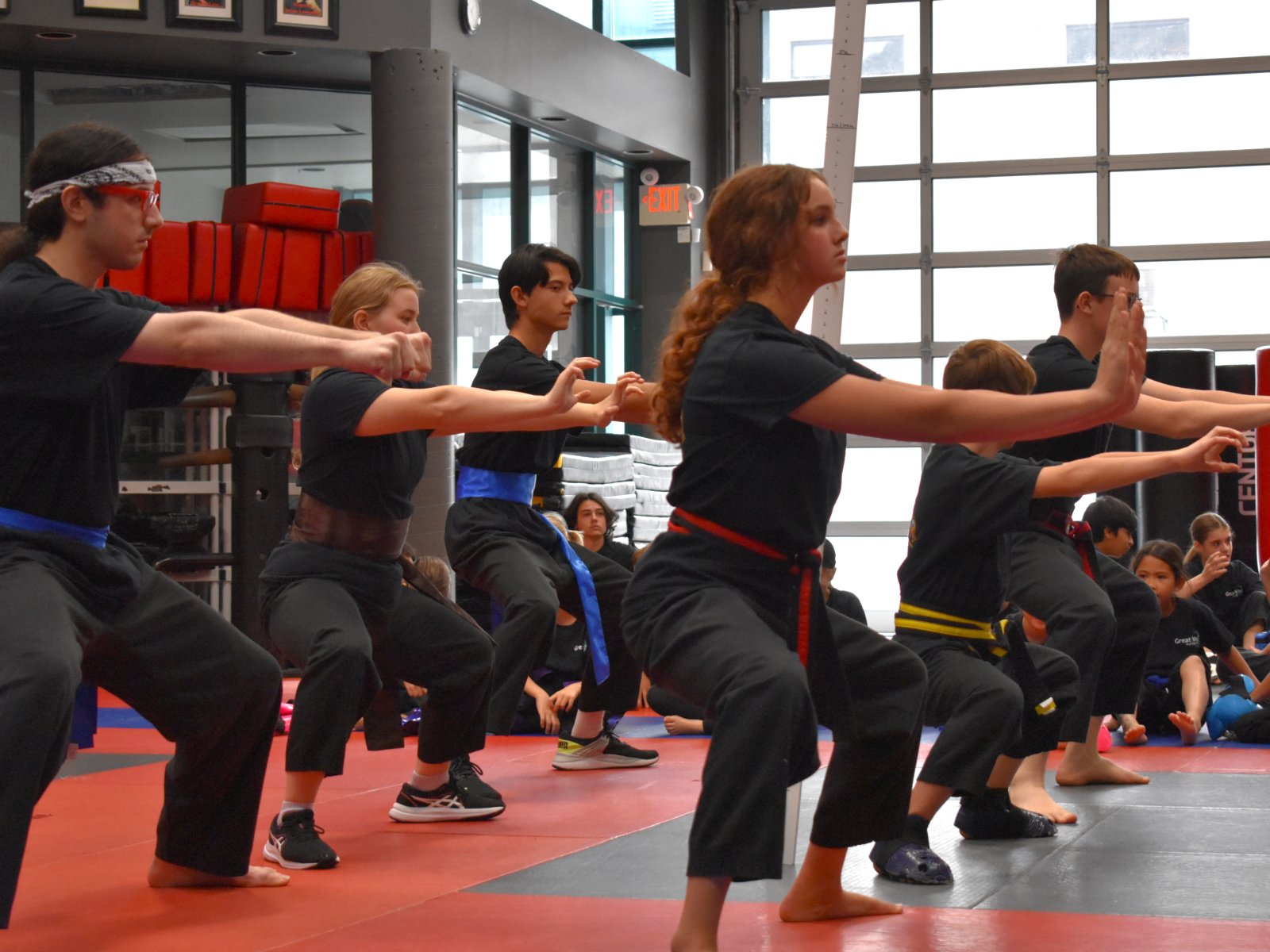
You'll train with students at different levels. This isn't bad. Advanced students model good technique. You see where the path leads. Beginners often push each other. It builds community.
The class should feel welcoming, not intimidating. Are people smiling? Do they help each other? Does the instructor know your name? These details matter. They're signs of a school that cares about each person.
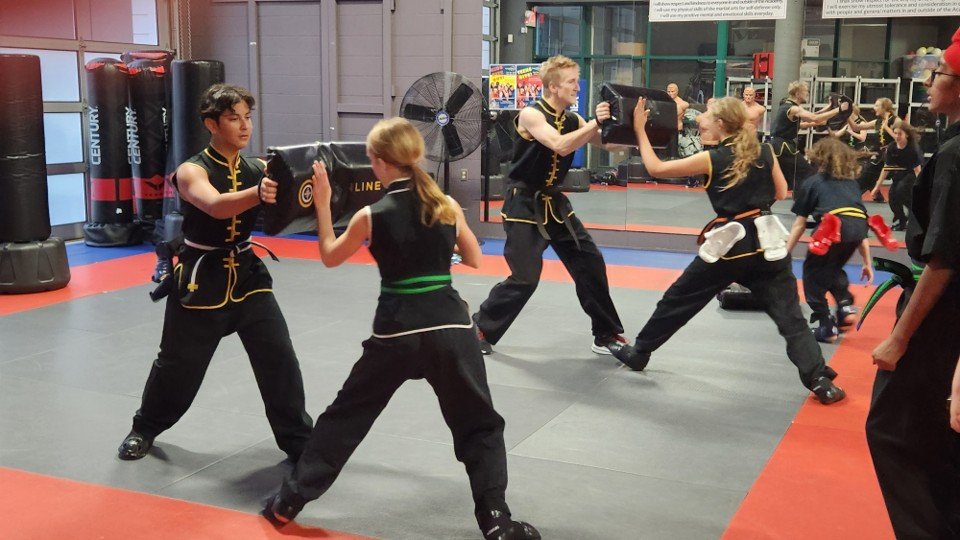
Bring water and wear comfortable clothes. You don't need special gear yet. Most schools sell uniforms if you decide to continue. Your first class is about trying it out.
Martial Arts Classes for Kids: Building Confidence and Discipline
Kids gain more from martial arts than physical skill. The right school builds confidence. It teaches discipline. It develops focus.
Look for schools that emphasize character as much as technique. Traditional Wing Chun and other classical forms teach respect and patience. Kids learn to listen. They practice self-control. Over weeks, you'll see changes. Your child stands taller. They speak more clearly. They handle frustration better. Programs like Kung Fu Cubs (Ages 4-5) | Dragons (Ages 6-7) and Champions Kung Fu (Ages 8-11) are specifically designed to build these qualities in young learners.
Good schools use goal-setting systems. Kids don't just show up and train. They work toward specific goals. They earn belts or badges. Progress feels real. Kids stay motivated.
The instructor matters hugely here. Can they manage energy? Do they make class fun? Can they correct a child without crushing confidence? Do they know each kid's learning style? Visual learners need to see the form. Auditory learners need clear explanation. Kinesthetic learners need hands-on practice.
Ask about class size. Smaller classes mean more attention. Your child gets corrections. They're not lost in a crowd.
Ask how the school handles different abilities. Do they separate beginners from advanced kids? Or do they teach mixed levels? Both work if done right. Mixed levels let younger kids see progress. Separated levels let beginners focus without feeling behind.
Instructor Quality and Continuity: Why It Matters
This is where many schools fail. They hire instructors, and those instructors leave within a year. Your child bonds with someone, then they're gone.
Career instructors stay because they love teaching. They don't treat martial arts as a side gig. They invest in their students' growth. They remember your child's goals. They notice when something's off.
Continuity builds trust. A student sees the same instructor week after week. That instructor learns how they learn. They know what motivates them. They catch problems early.
Ask directly: How long do your instructors typically stay? If the answer is vague, that's a red flag. Schools with strong instructors are proud of that fact.
Look at the team. Are there instructors who've been there for years? Or is everyone new? Years of experience signal stability.
A Non-Competitive Environment: Benefits Beyond the Dojo
Some schools push competition. Kids compete against each other. They travel to tournaments. They chase rankings.
Other schools focus on personal growth. Students compete against themselves. They work toward their own goals. They support each other's progress.
Both approaches work for different families. Know which one fits you.
Non-competitive environments reduce pressure. Kids train because they enjoy it, not because they fear losing. They focus on improvement, not beating others. They help classmates instead of viewing them as rivals.
This approach builds resilience differently. Kids learn that effort matters more than winning. They celebrate others' progress. They develop kindness alongside strength.
Research from Sport Canada on youth development shows that supportive environments improve long-term participation. Kids stay in activities longer when they feel accepted.
Many families choose non-competitive training because life is competitive enough. School, sports, grades, pressure is everywhere. Martial arts becomes a refuge. A place to grow without judgment.
Ask the school directly: Do you emphasize competition or personal growth? Listen to how they answer. The best schools balance both.
Conclusion
Choosing the right martial arts school means looking beyond the surface. Career instructors, clear progression, beginner-friendly environments, and supportive community separate good schools from great ones.
The best schools teach more than technique. They build confidence, discipline, and focus. They adapt to how each student learns. They create spaces where beginners feel welcome and advanced students keep growing.
Frequently Asked Questions
What should I look for when choosing a martial arts school?
Look for instructors with solid experience and a track record of working with your age group. Check whether the school emphasizes personal growth over competition, and whether class sizes allow instructors to provide individual attention. Ask about their teaching approach—does it adapt to different learning styles? A good school will also have clear goal-setting systems and foster a supportive community rather than a high-pressure environment.
What makes a martial arts school beginner-friendly?
Beginner-friendly schools welcome students with no prior experience and don't assume any background knowledge. They offer classes specifically designed for newcomers, use clear instruction methods that work for visual, auditory, and kinesthetic learners, and maintain a non-competitive atmosphere. The best programs include structured goal-setting so beginners can track progress without feeling rushed, and instructors who stay with students long-term to build trust and consistency.
How can I tell if a martial arts program will help my child build confidence?
Schools that combine martial arts training with mindset coaching and goal-setting systems tend to produce stronger confidence gains. Look for programs that teach self-control and focus alongside physical skills, and ask whether instructors work with students on setting and achieving personal milestones. A program that emphasizes kindness, discipline, and individual progress—rather than winning or competing—creates a foundation for lasting confidence both in and out of class.
Should I be concerned if a martial arts school doesn't hold tournaments?
No. Many effective schools skip tournaments entirely and still produce confident, disciplined students. A non-competitive environment removes pressure and allows students to focus on mastery, personal growth, and skill development at their own pace. This approach works especially well for beginners, younger children, and anyone seeking stress relief rather than competitive advancement. The goal shifts from winning to self-improvement, which often leads to deeper learning and better long-term retention.
Great Way Martial Arts in Kelowna has been teaching Wing Chun and multiple martial arts styles since 1993. We use a systematized goal-setting system and Mindset Training to help students develop self-control and focus. Our career instructors create a non-competitive, supportive environment where every student achieves personal growth. Get started with Great Way Martial Arts and discover how the right school transforms your training journey.